Useful Leadership Trait 4: Courage
B&G Leadership Series – Part 7
“To become a good leader, the first fundamental thing you need to do is achieve a clear understanding of your purpose – the positive change you’d like to facilitate – why it is important and how to articulate that importance to those you intend to lead.”
Leadership requires leaders to see the road ahead more clearly and much earlier than those they lead. Leadership often requires leaders to make difficult and unpopular decisions. Leaders often walk alone, in the face of much opposition or resistance to their desired direction or means of travel. Leaders often face periods of unpopularity and have to find ways to keep going in adversarial circumstances.
Being an effective leader often requires Courage.
In Great Britain today, the name Margaret Thatcher invites scorn and opprobrium from mainstream observers and everyday citizens. The common rhetoric is that Thatcher forced unpopular and cold-hearted policies on the populace much like an “evil dictator” might. Whilst she was Prime Minister, her “Iron Lady” nickname was not always used as a compliment. Thatcher’s economic policy initiatives were often unpopular, even within her own party, yet she oversaw a dramatic improvement in all the major indicators of national prosperity while restoring Britain’s international standing.
The country’s first female party leader and first female premier was also the first leader to win three consecutive UK general elections and remains the longest-tenured PM of the 20th and 21st centuries. Her success in the face of unpopularity (a job approval rating of 23% in December 1980) and her ability to stay the course were testament to her courage: “The lady’s not for turning.”
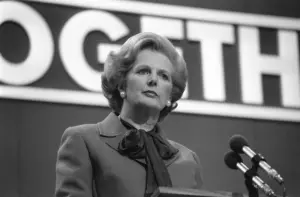
Thatcher delivers her famous speech at the 1980 Conservative Party Conference
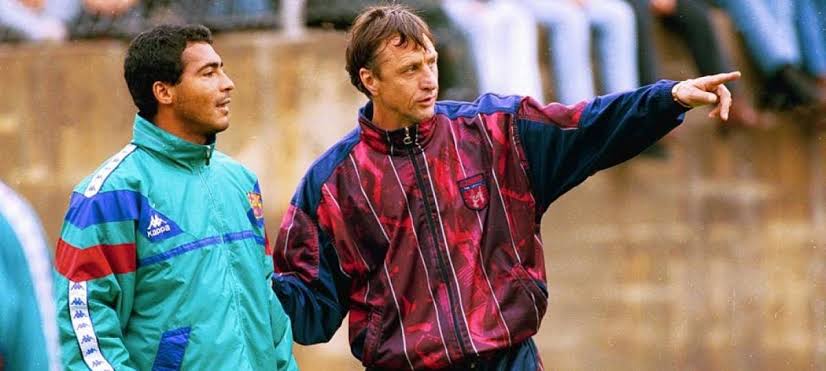
On losing the services of Lewis Hamilton after the 2024 season, Toto Wolff – head of the Mercedes Formula 1 (F1) racing team – opted to promote 18-year-old Kimi Antonelli from the junior team. Wolff ignored the merits of older, established drivers on other teams as well as 70 years of Mercedes racing tradition (the previous time the team placed a rookie driver in an F1 car was in 1954) because he believed the youngster was good enough. Many observers said it was foolhardy to replace the most successful driver in the sport’s history (Hamilton) with an unproven youngster who would struggle to cope with the added pressures at the top tier of racing.
Antonelli finished his debut 2025 season in 7th place (out of 20 drivers) – while his much more experienced teammate, George Russell finished 4th – seemingly justifying Wolff’s faith in him. As I write at the halfway stage of the 2026 season, Antonelli leads the championship with 219 points having won 6 out of the 11 Grand Prix thus far. In second and third places behind him (by 50 and 59 points respectively), are the aforementioned Hamilton and Russell. Whichever way the season ends, Wolff has been rewarded for his courage.
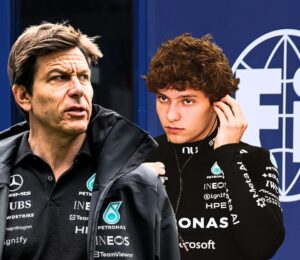
Toto Wolff & Kimi Antonelli of Mercedes F1
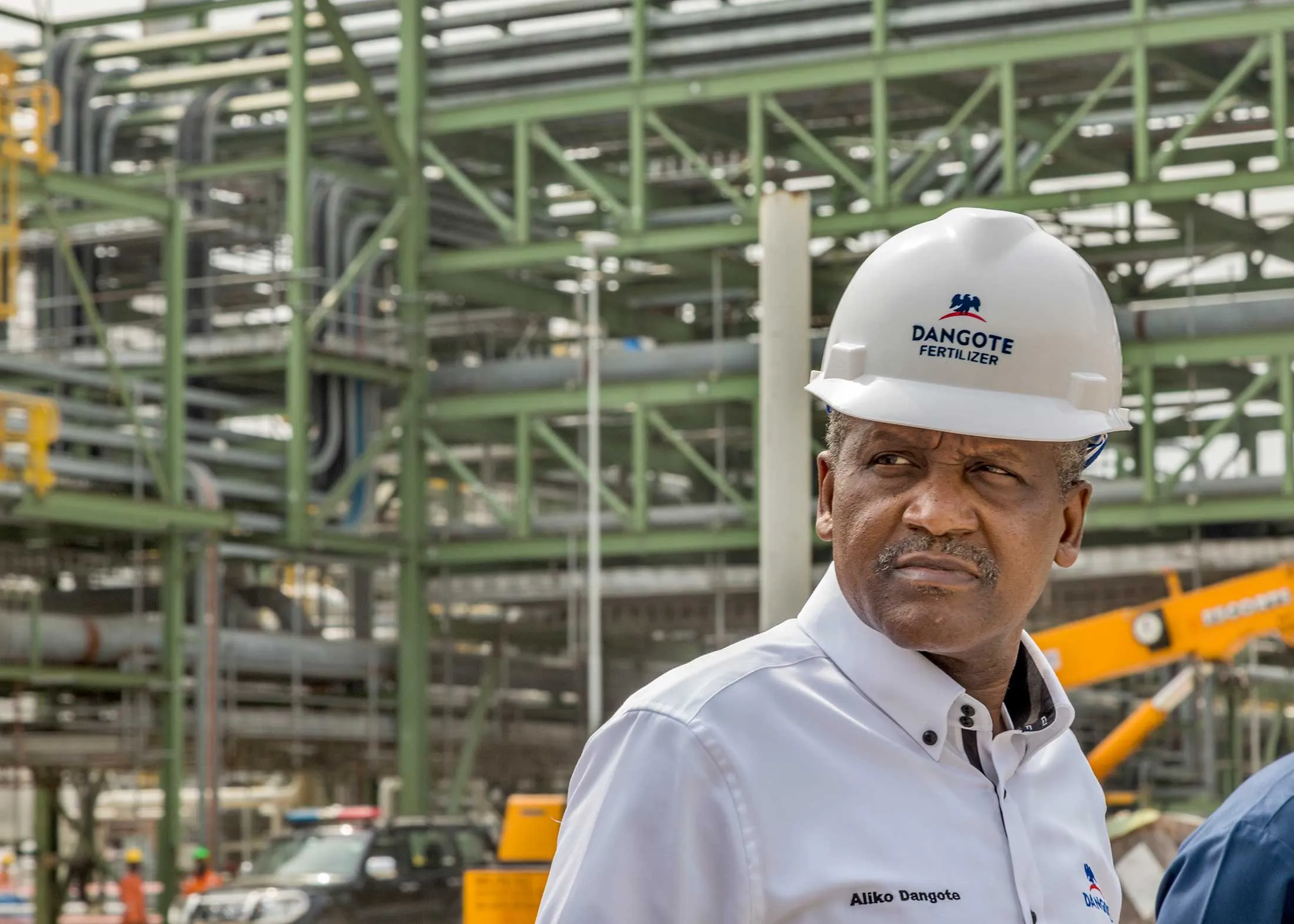
Aliko Dangote – long Nigeria’s most successful industrialist – decided in the early 2010s to (finally) get involved in oil & gas, the biggest game in town where Nigeria is concerned. Why? Because he had identified an opportunity to pursue his tried and tested strategy of local manufacturing of a mainly imported vital commodity. Dangote decided to build an oil refinery.
Just two of many reasons, commentators thought this was a bad idea:
- Despite earning trillions of dollars in crude oil revenues since 1976, Nigeria had rarely been able to make its petroleum refineries work and all 4 public facilities were fruitless money pits. Dangote’s project would be yet another white elephant.
- Rather than go with a modest facility more befitting of an industry novice, Dangote set out to build Africa’s biggest and most technologically advanced refinery. The project would require a much larger outlay of capital, including significant bank debt, than the Dangote group had ever spent. This was a huge financial gamble.
Dangote went ahead undeterred, even as estimates for the project cost kept rising with the Nigerian currency deteriorating at pace against the dollar and political, logistical & geophysical issues complicating the construction process. Today, the Dangote refinery provides petroleum products to domestic and international buyers and is viewed as a major threat to the viability of a number of older refineries in Europe. While Dangote probably did not foresee Donald Trump’s war on Iran, his business has been a direct beneficiary of the closure of the Hormuz Strait.
Dangote’s courage has him laughing all the way to the bank.
You’ll find the rest of this series and articles on other topics here