
Useful Leadership Trait 3: Knowledge & Understanding of Followers
B&G Leadership Series – Part 6
“To become a good leader … the second fundamental thing you need is to learn how to persuade others – your followers – to join you on your mission.”
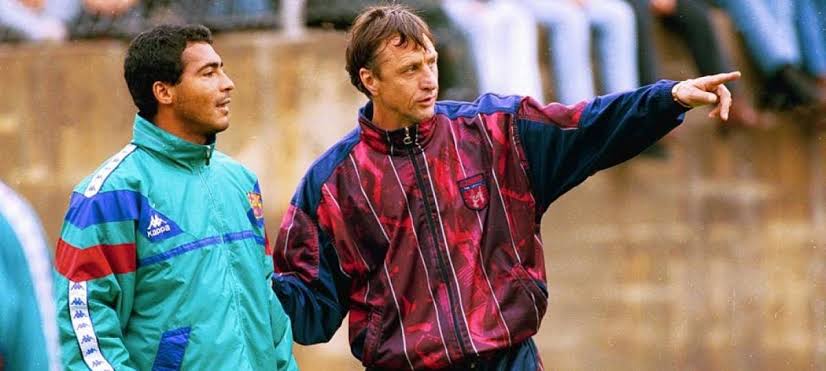
Romario – the legendary Brazil striker – once asked Johan Cruyff, his even more legendary manager at Barcelona, for time off work to fly home to attend the Rio Carnival. Knowing just how much his star striker loved to party, Cruyff didn’t rebuff Romario’s request but offered him a deal instead: “If you score two goals tomorrow, you can go”. The next day, Romario scored two goals inside the first 25 minutes of the game against Barcelona’s biggest rival, Real Madrid.
I regularly have conversations with business leaders and line managers wanting advice on how to effect positive change in the behaviours of underperforming team members. When I ask them about the personal career motivations of said underperformers, they often don’t have an answer. That is problematic.
Trying to direct, motivate and inspire people we don’t know is a particularly challenging task, akin to scrambling around in the dark. Trying to correct them is even more difficult. Conversely, when we take the time to understand a person’s aspirations, we arm ourselves with useful data to shape the feedback we provide them, the manner in which we deliver said feedback and the most impactful way to set improvement targets. When we take the time to appreciate their struggles, we don’t just receive data, we establish deeper connections – connections that can secure you greater loyalty and focus than any bonus incentive scheme.
Would Barcelona have gotten such a great start on one of the most important days of the season, if Cruyff hadn’t taken the time getting to know and understand Romario?
A good leader never forgets that even their steadiest, most coldly analytical team member is a human being subject to human emotions. The ability to endear feelings of emotional connectedness with your followers – a sense that you care about their wellbeing and you desire their success – is a powerful leadership weapon for you to wield.
This is the basic tenet that informed a foundational action of perhaps the most successful business executive of the late 20th century: Jack Welch, the man who took over GE in 1981 when it was worth $14bn and led it to become the world’s most valuable company worth $600bn when he stepped down in 2001.
During his time as CEO of GE, Welch insisted that his most important task was to support and grow his senior managers. In his words, “people development should be a daily event, integrated into every aspect of your regular goings-on.” He made it a point to develop a close one-to-one relationship with each of his direct reports, develop an understanding of how they operate and get to know what made them tick. He also made it a point to build relationships with the direct reports of his direct reports and estimated that more than 50% of his working hours were dedicated to choosing, supporting and motivating these top two layers of GE.
Last weekend, I was a guest at a London wedding – the couple met after the bride relocated to a new country following a promotion at work. A few years ago, while going through a personal crisis, she walked into her boss’s office and, much to his surprise, handed him a letter of resignation – she was struggling to cope with the combined pressures at work and at home. He rejected her resignation, placed her letter in his desk drawer and instructed her to take some personal time away from work, stating that they would have a proper conversation on her return.
When she came back, they began the discussions that eventually led to the promotion and the relocation. Because this boss knew the employee and the person, he was able to find the best way to support and uplift her. She stayed in a job she excelled at, soon moved up to a bigger post and the firm retained a high performer on an upward trajectory. Much like Jack Welch, this boss – who was a feted guest at the wedding – fully appreciated how empowering it is to have knowledge of his people.
I’ll leave you with these questions to ask yourself:
- What are the immediate career aspirations of each of my direct reports?
- What about their long-term goals?
- What do I know about their home / family lives? What should I know?
- Who is the “Romario” in my team? And is there anything I can learn from Cruyff to get better results out of them?
You’ll find the rest of this series and articles on other topics here